
You’ve put in the work.
You finished your workout. You made thoughtful food choices. You kept showing up for your goals.
But there is another part of the plan that is easy to overlook.
Recovery.
Rest days, post-workout meals, and enough water help you come back to movement feeling ready. They also make your routine easier to keep going. That matters when you are working toward sustainable weight loss and total body wellness.
Recovery does not make body fat disappear on its own. Your progress comes from habits that work together: nutrition, movement, and rest. Think of recovery as the support that helps you keep doing those habits.
So let’s make your recovery as consistent as your workouts.
Your Muscles Need More Than Another Workout
Exercise challenges your muscles. Recovery gives your body time to adapt before the next hard session. If every day becomes a push day, soreness and fatigue may make it harder to move well or stick with your plan.
A rest day isn’t a missed opportunity. It’s part of a thoughtful training week.
Depending on your routine, recovery might mean taking a full day off, going for an easy walk, doing gentle mobility, or choosing a lighter activity instead of another intense workout. Pay attention to how you feel. If soreness is strong, movement feels unusually difficult, or your energy is low, easing up can be a smart choice.

A Recovery Day Is Still Progress
You don’t need to “earn” a rest day, or compensate for one with extra exercise. Keep your regular, balanced meals. Choose movement that feels comfortable, or take a break if that’s what your body needs.
This is not all-or-nothing. A lighter day can help you return to training with more energy and confidence.
Post-Workout Recovery Starts With the Basics
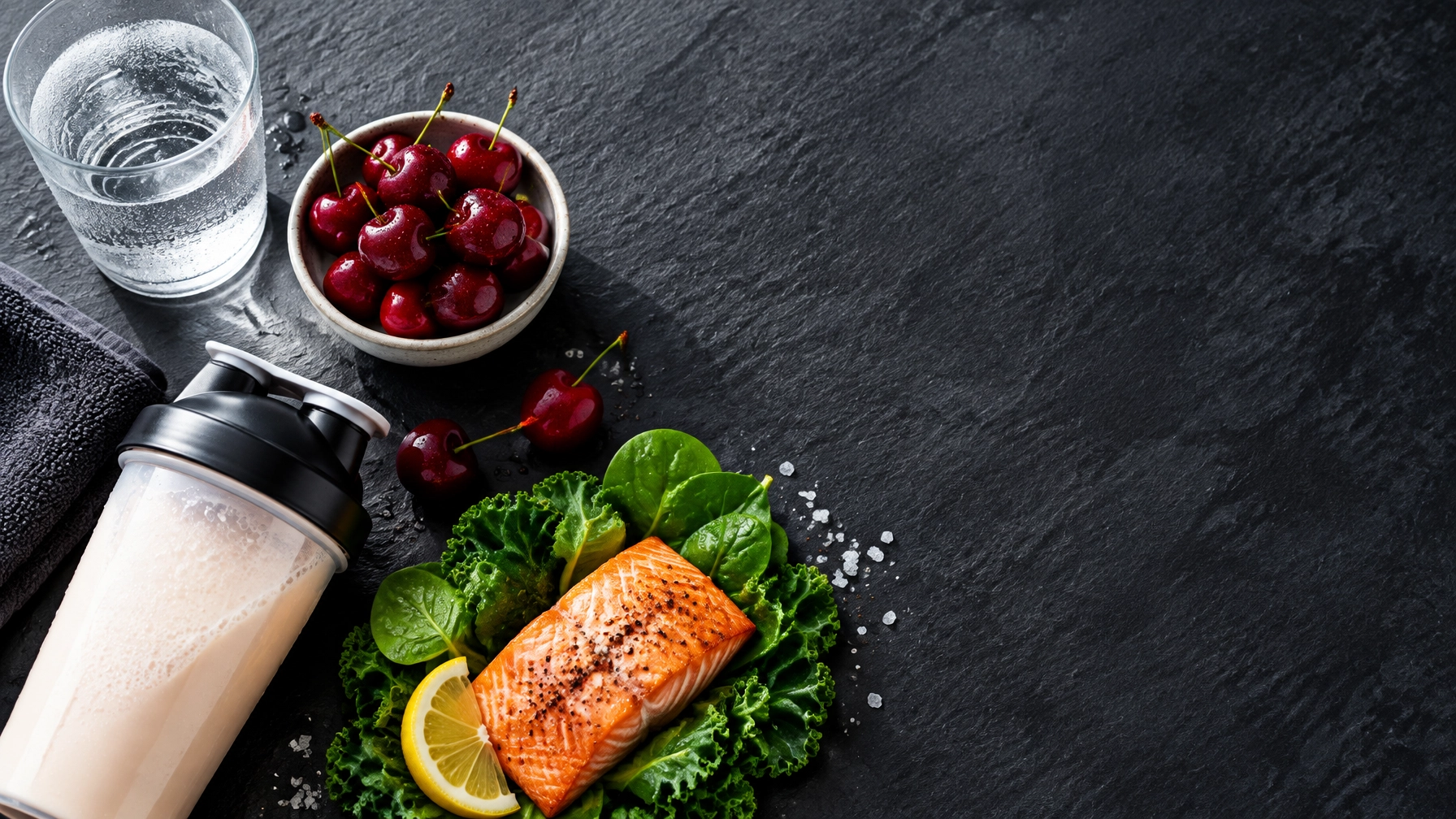
After a demanding workout, your next meal or snack can help support your recovery. Include a source of protein, along with other foods that fit your needs and preferences. A shake can be convenient, but it isn’t required; a regular meal works too.
Protein foods might include yogurt, eggs, fish, poultry, tofu, beans, or lentils. Protein powder may help when it’s a practical way for you to meet your needs, but it’s a supplement, not a shortcut, and not a replacement for a balanced overall diet.

Hydration Counts, Too
You lose fluid through sweat, and how much varies with the workout, weather, and your own body. Keep water available and drink regularly. After a typical workout, a meal and water may be enough.
Electrolyte drinks can be useful during prolonged or intense exercise, especially in hot conditions or when you sweat heavily. But you don’t automatically need one after every workout, or on every rest day. Check the label, since some drinks contain added sugar and calories. If you have a health condition that affects fluid or sodium needs, ask a healthcare professional what’s right for you.
Natural Weight Loss Supplements: Helpful Support, Not the Whole Plan
The phrase natural weight loss supplements can sound like a promise of quick results. A more realistic way to think about supplements is as optional support for specific needs. They don’t replace a sustainable eating pattern, recoverable training, or appropriate guidance.
Here are a few commonly discussed options, and what to keep in mind.
Protein
Protein foods and protein powders can be convenient ways to include protein around a workout. Whether you use a powder depends on your preferences and overall diet. Choose a product that fits your needs, read the label, and remember that a supplement still contributes to your daily intake.
Magnesium
Magnesium is an essential mineral found in foods such as nuts, seeds, beans, whole grains, and leafy greens. A supplement isn’t a guaranteed fix for soreness or weight loss, and more isn’t always better. The NIH Office of Dietary Supplements shares information about magnesium, food sources, and supplement safety.
Omega-3
Fatty fish such as salmon provide omega-3 fats, and supplements are also available. Omega-3 supplements are not a direct weight-loss product. If you’re considering one, check with a healthcare professional or pharmacist, especially if you take medication or have a health condition. See the NIH overview of omega-3 fatty acids.
Electrolytes
Electrolytes help replace minerals lost in sweat, but they’re not a fat-burning tool. For a short, light workout, water and regular meals may be all you need. Consider your workout, the temperature, your sweat, and the product’s ingredients before reaching for a drink or powder.
Tart cherry
Tart cherries and tart cherry products have been studied for exercise recovery. Results are not a guarantee, and tart cherry is not a weight-loss supplement. If you want to try a juice or product, factor its ingredients and calories into your routine and ask a healthcare professional if you have questions about whether it suits you.

Keep Supplements in Their Supporting Role
“Natural” doesn’t automatically mean risk-free. Supplements can have side effects, interact with medicines, or be unsuitable for some health conditions. Avoid treating a stack of products as a replacement for food, rest, or professional advice.
The National Center for Complementary and Integrative Health explains that many supplements marketed for rapid weight loss have limited evidence and may raise safety concerns. Read its guidance on dietary supplements marketed for weight loss.
A Simple Sunday Recovery Routine
Make Sunday a chance to support your body after the week’s training, not a repeat of a rigid checklist. Keep it simple:
- Check in with your muscles. Notice soreness, energy, and how your body feels after the week’s workouts.
- Choose your recovery pace. Rest fully or try comfortable, easy movement.
- Enjoy a nourishing meal. Include a protein source and foods you enjoy.
- Refill your water bottle. Drink regularly and consider your recent activity and sweat.
- Set a realistic training week. Plan hard sessions and lighter days so you have room to recover.
One small recovery choice can make the next workout feel more manageable. You’re building a rhythm, not chasing a perfect week.
Recovery Belongs in Your Total Body Wellness Plan
Your nutritional, physical, and mental wellness all support one another. That is what it means to become absofitly.
- Nutritionally fit: You give your body balanced meals, protein, and steady hydration.
- Physically fit: You train hard, and you allow yourself to recover.
- Mentally fit: You rest without guilt and you keep showing up for your goals.
Recovery is not a break from your plan.
Recovery is part of your plan.
And you do not have to figure out the details alone. At Absofitly, our personalized weight loss programs and wellness and weight loss coaching are built around your goals, your schedule, and your starting point. Our natural supplement support is designed to complement healthy eating, movement, and recovery, never to replace them.
Whether you want to lose weight, get toned, build strength, or simply feel better in your everyday life, you deserve a plan that supports the whole you.
Ready to Make Recovery Part of Your Plan?
Your next step does not need to be complicated.
GET YOUR FREE CONSULTATION TODAY
Schedule your free consultation and talk with our team about your goals, your training, and the recovery support that fits your wellness journey.

0 Comments