
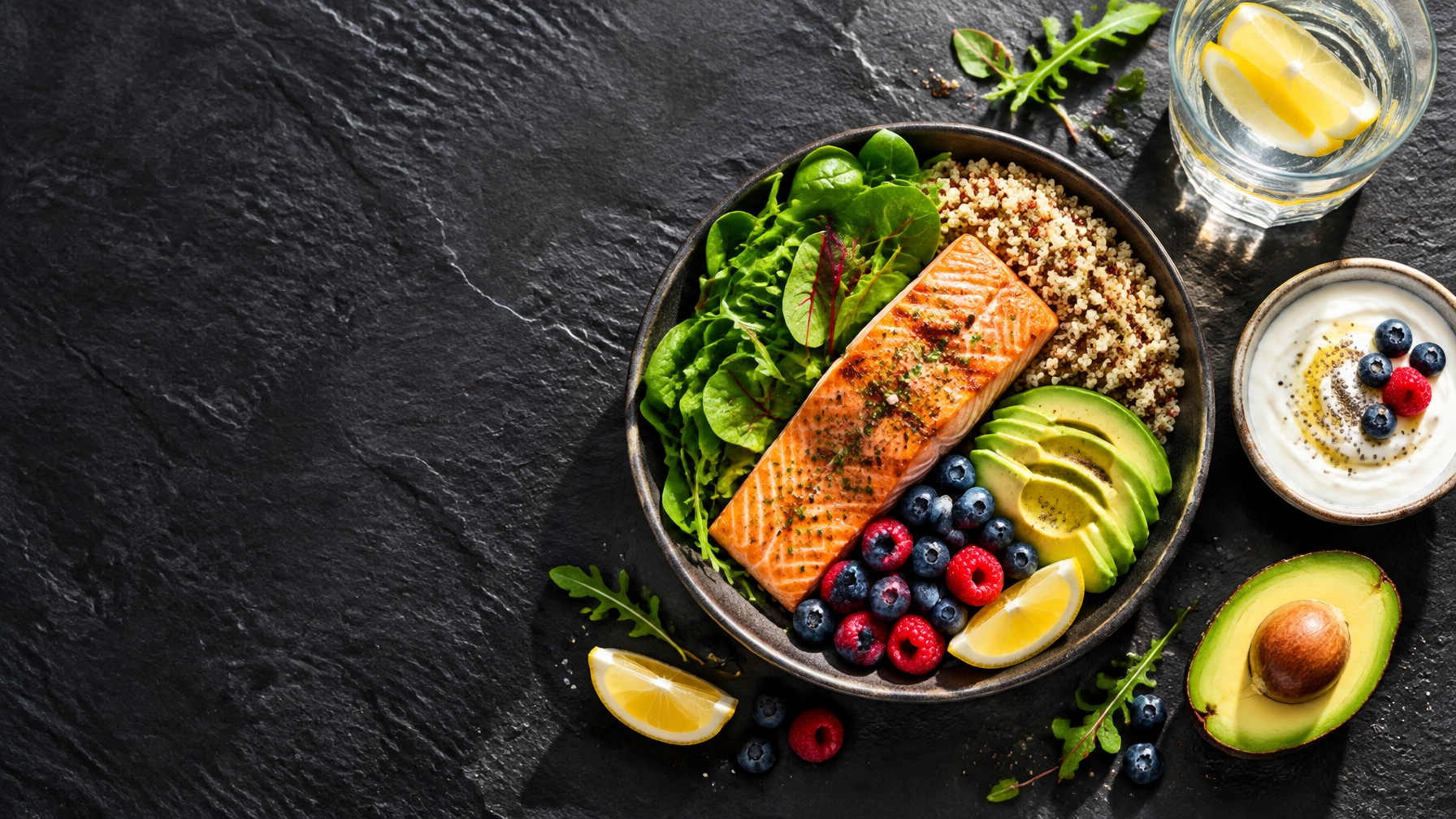
Sunday can be a welcome chance to slow down, reset, and prepare for the week ahead. If you’ve been training hard or working toward weight loss, it’s also a good time to check in with your recovery.
Could a supplement help? Sometimes. But no capsule can replace the basics: nourishing meals, enough rest, fluids, and a training plan that gives your body time to adapt. Supplements may support a healthy routine when they match your needs. They’re not a shortcut, and “natural” doesn’t always mean safe or effective.
Here’s a simple guide to supplements for muscle recovery, common weight-loss claims, and a balanced Sunday reset.
Start with the recovery basics
Your body doesn’t recover just because it’s Sunday. Recovery is part of your week, and the habits you repeat matter more than a one-day supplement routine.
Keep your reset simple:
- Eat regular meals with protein and a variety of nutrient-rich foods.
- Drink fluids according to your thirst, activity, and the weather.
- Make time for sleep and a little gentle movement if it feels good.
- Give tired or sore muscles a break from intense training.
A protein-rich meal can support your body’s repair and adaptation after exercise. That doesn’t mean you need a shake, or that protein will make soreness disappear. If you’re already getting what you need from food, adding a supplement may not offer extra benefits.

Supplements for muscle recovery: what to know
The best supplement for you depends on your eating habits, training, health, and goals. These popular options are not a one-size-fits-all recovery stack.
Protein powder: a convenient option
A protein powder can be useful when it’s hard to get enough protein from meals or snacks. It’s a convenient choice after training, at breakfast, or whenever it fits your day. But it’s optional: foods such as yogurt, eggs, beans, tofu, fish, and poultry can also provide protein.
Think of protein powder as food support, not a pain reliever or a replacement for balanced meals. If you’re managing a medical condition or have dietary restrictions, ask a qualified health professional what’s appropriate for you.
Creatine: more about training than Sunday soreness
Creatine monohydrate is among the better-studied supplements for supporting repeated high-intensity exercise, such as resistance training. It may help you get more from certain workouts over time. It is not primarily a remedy for muscle soreness, and it isn’t useful for every type of training.
Creatine can cause weight gain, often related to increased water stored in muscle. That change doesn’t automatically mean you’ve gained body fat. If you have a health condition, take medication, or are unsure whether creatine suits you, talk with your clinician first. The NIH Office of Dietary Supplements exercise fact sheet offers a helpful overview.
Magnesium: useful when there’s a reason
Magnesium is an essential mineral, but taking extra isn’t a guaranteed way to improve recovery or sleep. A supplement may be worth discussing if your diet or health situation points to a need. Too much supplemental magnesium can cause diarrhea, nausea, and abdominal cramping, and it may be riskier for people with impaired kidney function. The NIH magnesium fact sheet explains more.
Omega-3s: focus on the full picture
Omega-3 fats are found in foods such as fish and seafood, as well as in some supplements. Research on whether omega-3 supplements ease exercise-related soreness is mixed. If you’re considering one, talk with a health professional, especially if you take blood-thinning medication or have a health condition.
What about natural weight loss supplements?
Searches for natural weight loss supplements often lead to big promises: fast results, appetite control, or a “metabolism boost.” Be careful. A natural label does not prove that a product works, is safe, or is right for you.
The National Center for Complementary and Integrative Health notes that many supplements marketed for weight loss lack strong evidence of long-term effectiveness. Some products have also been found with hidden drug ingredients. The FDA’s warning about contaminated weight-loss products is a reminder to be cautious, even when packaging says “natural.”
Rather than relying on a fat burner or detox, build a plan you can keep returning to: realistic eating habits, enjoyable movement, sleep, and support when you need it. If you use any supplement, check its ingredients, avoid exaggerated claims, and review it with a clinician or pharmacist, especially if you take medication or have a medical condition.

A simple Sunday supplement check-in
Before you add anything to your routine, ask yourself:
- What goal am I supporting? Be clear about whether you’re aiming for better nutrition, training support, or another specific goal.
- Could food and daily habits help first? Supplements are meant to complement, not replace, your routine.
- Do I know what’s in the product? Look for clear ingredient information and be wary of proprietary blends or dramatic promises.
- Have I checked for safety? Supplements can interact with medicines and may not be appropriate for everyone.
You don’t need a crowded cabinet to make progress. A simple, suitable choice, or no supplement at all, can be the right choice for you.
Make your reset about the whole you
A steady wellness routine is about more than a scale or a single workout. At Absofitly, our approach to becoming “absofitly” brings together three connected areas: nutritional, physical, and mental wellness.
Whether you want to lose weight, build strength, feel more energized, or find a routine that feels doable, personalized guidance can help you connect the pieces. Our weight-loss programs include individualized support, while fitness coaching can help you work toward your training and wellness goals. Supplement choices can be part of that conversation, but they should fit your needs, not someone else’s plan.

Your Sunday reset starts with one small step
Pick one supportive action for today: prepare a satisfying meal, take an easy walk, set out your workout clothes, or make a plan to get more rest. Small steps count, and you can build from there.
If you’re unsure which habits or supplements may fit your goals, you don’t have to figure it all out alone. Absofitly offers wellness and weight loss coaching designed around your needs and your starting point.
Ready for a little guidance? Get your free consultation and take your next step with support.
This article is for general information and is not medical advice. Talk with a qualified health professional before starting a supplement, especially if you take medication, have a health condition, are pregnant, or are breastfeeding.

0 Comments