
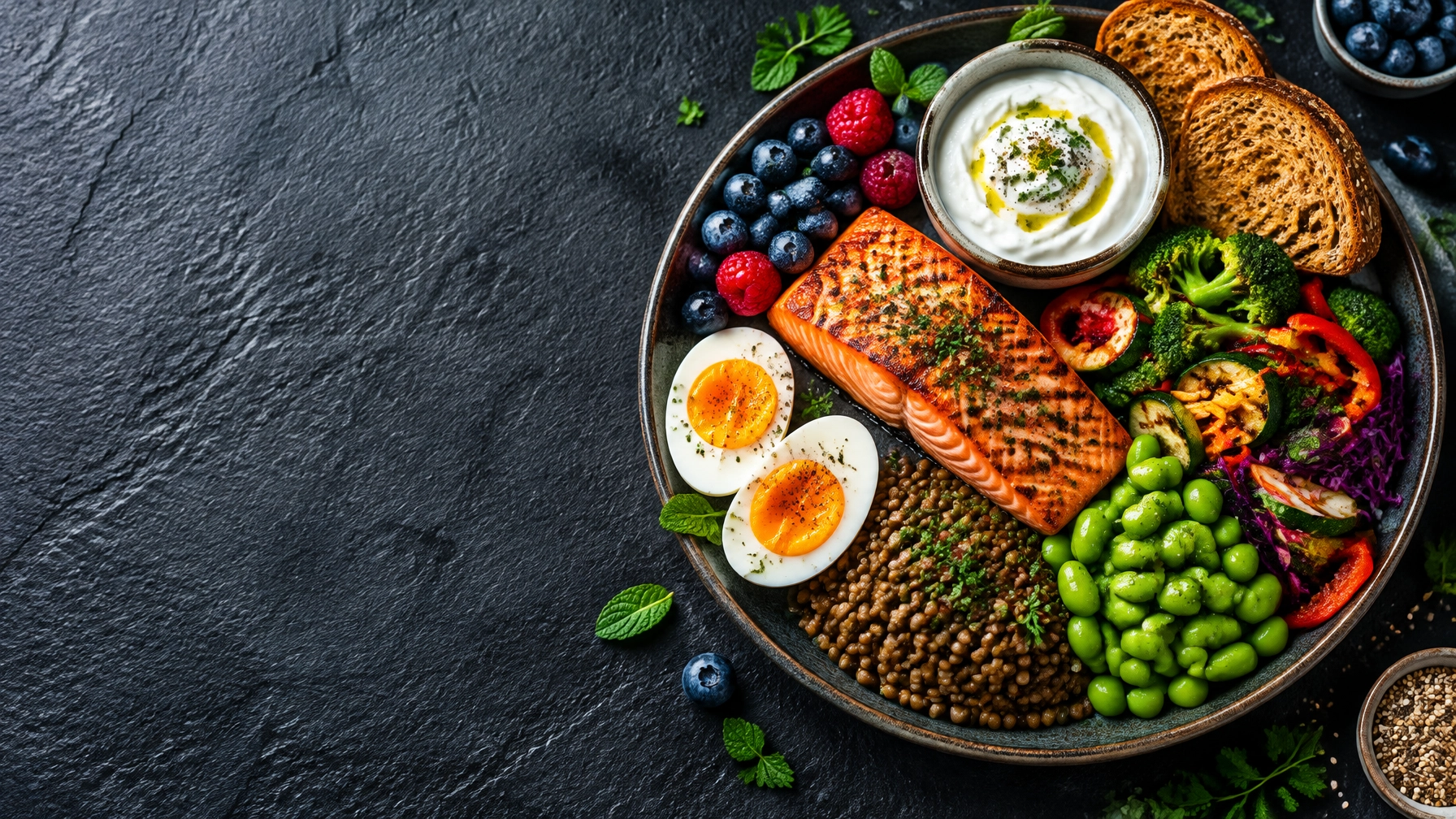
Protein gets talked about a lot in the weight loss world. But how much do you really need?
Do you need a shake after every workout? Must every meal include meat? Is more protein always better?
The simple answer is this: protein can help you feel satisfied, support your muscles, and make your weight loss plan easier to follow. But you do not need a complicated diet to get enough.
With a few simple habits, protein can become one of your most useful tools for sustainable weight loss tips and total body wellness.
What Protein Does for Your Body
Protein is one of the three main macronutrients, along with carbohydrates and fats. Your body uses it to support:
- Muscle repair and maintenance
- Normal growth and recovery
- Hormones and enzymes
- Healthy bones, skin, and tissues
- A steady, satisfying eating pattern
Protein also takes longer to digest than many lower-protein foods. This may help you feel full for longer after meals.
That matters when you are trying to lose weight. Feeling satisfied can make it easier to manage portions, reduce random snacking, and stay consistent with your goals.
Protein is not a magic fat-loss food. You still need an overall eating pattern that supports your needs. But it can make that pattern more filling and practical.
Why Protein Matters During Weight Loss
When you lose weight, your body may lose both fat and lean tissue. Lean tissue includes muscle.
Your goal should not only be to see a lower number on the scale. You also want to support a strong, capable body as you make progress.
Protein gives your body amino acids needed for muscle repair. Strength training gives your body a reason to keep that muscle.
Together, these habits can support a healthier approach to weight loss:
- Eat enough protein.
- Include regular muscle-strengthening exercise.
- Avoid extreme calorie restriction.
- Focus on gradual, repeatable progress.
A 2024 review of adults with overweight or obesity found that higher protein intake was linked with less muscle loss during weight loss. The review also showed that protein alone is not the whole answer. Movement, especially resistance training, still matters.
This is one reason Absofitly focuses on becoming nutritionally fit, physically fit, and mentally fit. You can learn more about this whole-person approach in Nutritionally Fit, Physically Fit, Mentally Fit: How Holistic Fitness Coaching Builds Total Body Wellness.
How Much Protein Do You Need?
The basic protein recommendation for healthy adults is about 0.8 grams per kilogram of body weight per day. That is approximately 0.36 grams per pound.
For example, a person weighing 150 pounds would need about 54 grams per day to meet the basic recommendation.
But your personal needs may be different.
If you are losing weight, exercising regularly, older, or trying to protect muscle, a practical range for many adults may be around:
1.0 to 1.3 grams of protein per kilogram of body weight per day
For a 150-pound person, that is roughly 68 to 88 grams per day.
This is not a rule you must follow perfectly. It is a starting point.
Your needs can depend on:
- Your age
- Your body size
- Your activity level
- Your current calorie intake
- Your fitness goals
- Your health history
- Whether you are doing strength training
If you have a significant amount of weight to lose, using your current body weight may create an unnecessarily high protein target. A registered dietitian or healthcare professional can help you choose a more appropriate goal weight or adjusted weight for calculations.
A Simple Way to Divide Protein Across the Day
You do not need to eat all your protein at dinner.
A helpful beginner approach is to include a protein food at each meal. Many adults can aim for approximately 20 to 40 grams per meal, depending on their daily target.
For example, a 90-gram daily goal could look like:
- Breakfast: 25–30 grams
- Lunch: 25–30 grams
- Dinner: 25–30 grams
- Snack: Add a little more if needed
Spreading protein across the day may help you feel more satisfied. It can also give your body regular opportunities to use protein for repair and maintenance.
The key is not perfection. The key is building a pattern you can repeat.

Easy Protein Foods for Beginners
You have plenty of options. Protein does not need to come from one specific food group.
Animal-Based Protein Choices
- Eggs
- Greek yogurt
- Cottage cheese
- Milk
- Chicken or turkey
- Fish and seafood
- Lean beef or pork
Plant-Based Protein Choices
- Lentils
- Black beans
- Chickpeas
- Edamame
- Tofu
- Tempeh
- Peas
- Nuts and nut butter
- Fortified soy milk
The USDA MyPlate protein guide recommends varying your protein choices. This can help you enjoy different flavors and nutrients while keeping meals interesting.
Plant proteins can absolutely fit into a weight loss plan. If you eat mostly or entirely plant-based, try to vary your sources and make sure your overall eating pattern includes the nutrients you need.
Simple Protein Ideas for Every Meal
You do not need complicated recipes. Start with familiar foods.
Breakfast
Try:
- Greek yogurt with berries and oats
- Eggs with vegetables and whole-grain toast
- Cottage cheese with fruit
- A smoothie made with milk or fortified soy milk and Greek yogurt
Lunch
Try:
- Tuna or salmon over greens and beans
- Chicken with vegetables and brown rice
- Lentil soup with a side of yogurt
- Tofu with frozen vegetables and a whole-grain carbohydrate
Dinner
Try:
- Fish with roasted vegetables and potatoes
- Turkey chili with beans
- Tofu or tempeh with rice and vegetables
- Lean meat with a large salad and a satisfying side
Snacks
Try:
- Greek yogurt
- Cottage cheese and fruit
- Edamame
- A boiled egg
- Apple slices with peanut butter
- Milk or fortified soy milk
Think of protein as an anchor. Add it to the meal, then build around it with vegetables, fruit, high-fiber carbohydrates, and healthy fats.
Protein and Staying Full
Have you ever eaten a meal and felt hungry again shortly after?
Sometimes the meal was light on protein, fiber, or both.
Protein may help you feel fuller because it can slow digestion and support appetite control. But fullness is personal. The best approach is to notice how your body responds.
A balanced meal often includes:
- A protein source
- A fruit or vegetable
- A high-fiber carbohydrate
- A small amount of healthy fat
For example, eggs with vegetables and whole-grain toast may be more satisfying than toast by itself. Greek yogurt with berries and oats may keep you fuller than a small sweet snack.
This does not mean you must avoid favorite foods. It means you can add more balance to the way you eat.
Protein, Exercise, and Keeping Muscle
Protein works especially well alongside strength training.
You do not have to become a competitive athlete. Beginner-friendly strength exercises can include:
- Bodyweight squats
- Wall push-ups
- Resistance-band exercises
- Light dumbbell movements
- Chair-supported exercises
- Weight machines
Aim to gradually challenge your muscles. Even two strength-focused sessions per week can be a useful place to begin.
The CDC recommends regular physical activity as part of a healthy weight management plan. Your plan can include walking, cardio, strength training, stretching, or a combination that fits your life.
If you work out, a protein-containing meal or snack afterward can be helpful. But do not stress over a narrow “perfect” timing window. Your total daily intake and consistent exercise matter more.

What Sustainable Protein Habits Look Like
Sustainable habits are not extreme. They are simple enough to use on busy days.
Start here:
- Add a protein food to breakfast.
- Choose one protein source for lunch.
- Build dinner around protein and vegetables.
- Keep easy options available.
- Use portions that support your hunger and goals.
- Combine protein with fiber-rich foods.
- Strength train gradually.
- Adjust based on your energy and progress.
You do not have to hit the same number every day. You do not have to eat perfectly. You just need a helpful direction.
That is what sustainable weight loss looks like: small actions that support your body again and again.
A Quick Note About High-Protein Diets
More is not always better.
Very large portions of protein can add extra calories. Foods such as cheese, fatty meats, large amounts of nuts, and some shakes may be nutritious but still calorie-dense.
A high-protein plan may also crowd out vegetables, fruit, whole grains, and other foods your body needs.
If you have kidney disease, reduced kidney function, liver disease, gout, a history of kidney stones, or another medical condition, speak with your healthcare professional before making a major change to your protein intake.
Your plan should support your complete health, not just one number.
Your Simple Protein Starting Point
For your next meal, ask:
What protein can I add here?
Maybe it is eggs at breakfast, beans at lunch, Greek yogurt as a snack, or fish at dinner.
Then add colorful plants and a satisfying carbohydrate. Keep the meal enjoyable. Keep the goal realistic.
That is how protein can support your nutrition, your workouts, your confidence, and your total body wellness.

Ready to Make Your Plan More Personal?
Your protein needs are connected to your body, your goals, your activity, and your lifestyle. You do not have to figure out every detail alone.
At Absofitly, we help you build a balanced path toward becoming absofitly: nutritionally fit, physically fit, and mentally fit.
Whether you want to lose weight, get toned, improve your fitness, or simply feel better in your everyday life, support can make the process easier.
Contact Absofitly to learn more and GET YOUR FREE CONSULTATION TODAY.

0 Comments