
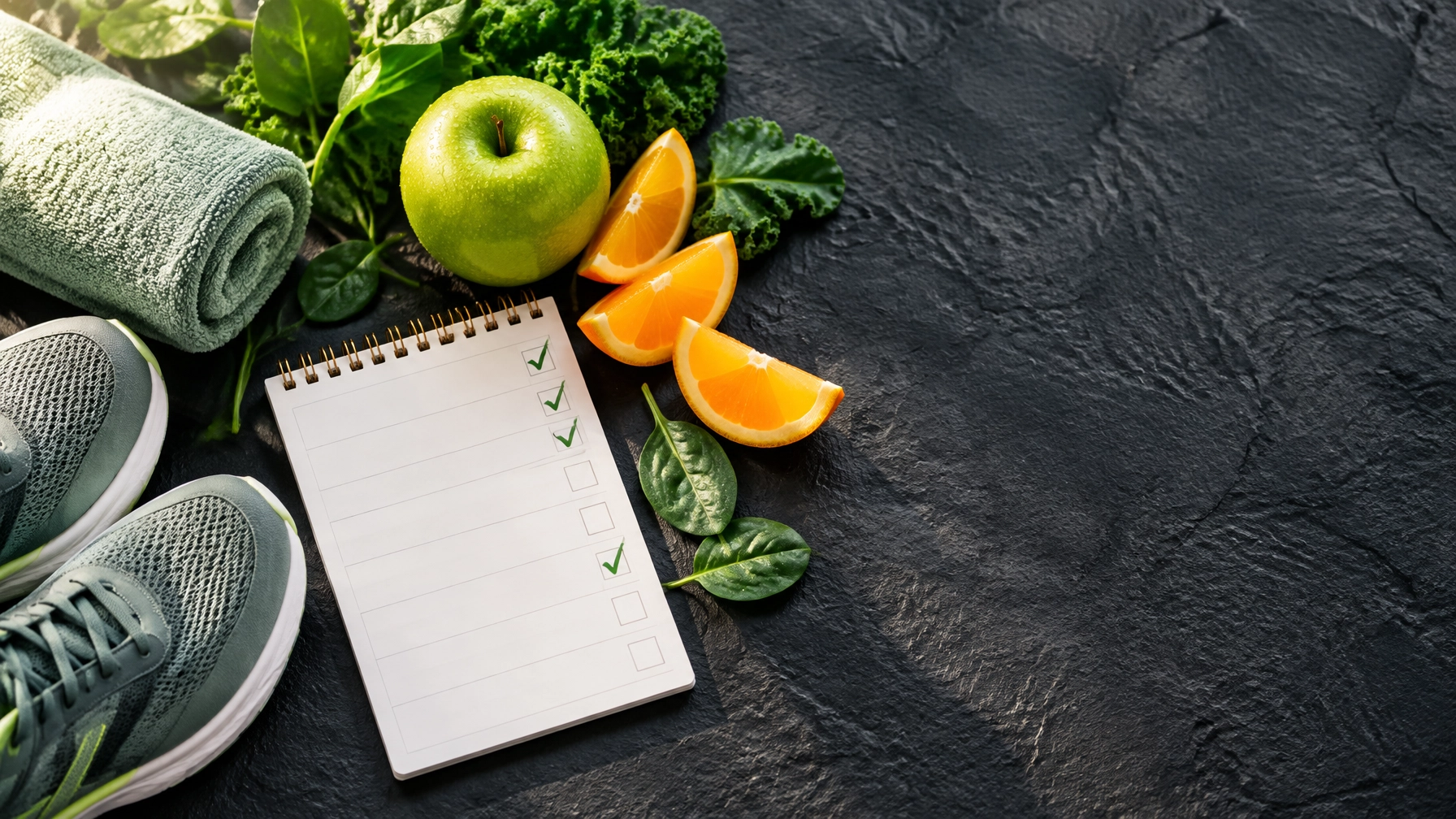
Big resolutions can feel exciting on day one. But when a plan asks you to change everything at once, it can be hard to keep going when real life gets busy.
A more supportive approach is to focus on small actions you can repeat. One useful milestone to know is the “10% rule”: for some people, an initial goal of losing 5% to 10% of their starting weight can be meaningful. It is not a magic number or a deadline. It’s a way to make a big goal feel more manageable, and to build habits that support long-term progress.
Whether you want to lose weight, feel stronger, or improve your overall wellness, your next step can be small and still matter.
What does the 10% rule mean?
The phrase can sound like a strict formula, but it isn’t. A 10% goal is not right for everyone, and progress looks different from person to person.
Health guidance often describes an initial loss of about 5% to 10% of starting weight over roughly six months as a realistic goal for many adults with overweight or obesity. Even a smaller change may be meaningful. Your own goals should fit your health needs and life, ideally with guidance from a qualified professional. The CDC’s weight-loss guidance also emphasizes steady progress and realistic goals.
For example, if you weigh 200 pounds, 5% is 10 pounds and 10% is 20 pounds. That’s a range to discuss and personalize, not a requirement to hit a particular number.
The key is to turn a long-term outcome into everyday actions you can practice. That’s where sustainable weight loss tips become useful: not as a list of rules, but as practical ways to make your next healthy choice easier.
Why small wins can beat big resolutions
A resolution like “I’m going to get fit” gives you a direction, but it may not tell you what to do today. A small, specific action does.
You might take a short walk after lunch, plan one meal ahead, or set out your workout clothes before bed. These actions are easier to repeat than a complete life overhaul. Repeating a manageable routine in a familiar situation can also help it feel more natural over time.
And a small win is still a win. It gives you a reason to notice your effort, learn what works, and build from there. You don’t need to wait for perfect motivation before you begin.

How to build sustainable fitness habits, one step at a time
You don’t have to do everything at once. Start with a few useful steps and adjust them to fit your day.
1. Choose one clear, doable action
Make your goal specific enough that you’ll know when you’ve done it. “Move more” can be a starting thought, but “take a 15-minute walk after lunch on three days this week” gives you a clearer plan.
Choose an action that feels possible with your current schedule. You can build on it later.
2. Connect it to a routine you already have
A familiar moment can act as a reminder. For example:
- After breakfast, fill your water bottle.
- When you finish work, change into walking shoes.
- When you plan your week, choose a few meals or snacks.
- After a workout, take a moment to notice how you feel.
Need more ideas? Read about the habit loops behind successful weight loss.
3. Make the helpful choice easier to start
Set out your walking shoes. Keep a water bottle where you can see it. Put a meal container within easy reach. These small changes can remove a little friction between you and the action you want to take.
You’re not trying to make every day effortless. You’re making your next step easier to remember and begin.
4. Keep your plan flexible
Some weeks are busier than others. If your original plan isn’t working, try a smaller version rather than giving up on it. A shorter walk, a simpler meal plan, or a different time of day may fit better.
Progress is not about doing everything perfectly. It’s about finding a routine you can return to.

5. Notice more than the number on the scale
Weight can be one way to track change, but it’s not the only thing worth noticing. You might also pay attention to how consistently you’re moving, how your clothes feel, or whether your new routines feel easier to maintain.
If you choose to track progress, look for patterns over time rather than treating one day as the whole story. Your goals and what you track should feel useful, not discouraging.
6. Treat a setback as information
A missed workout or an unplanned meal doesn’t erase the actions you’ve already taken. Ask yourself what made the plan harder and what might help next time.
Maybe you need a different time, a simpler routine, or more support. A reset is not failure. It’s part of building habits that can flex with real life.
Sustainable progress supports total body wellness
Weight loss is one possible goal. Feeling better, getting stronger, and building a steadier routine may matter just as much to you.
At Absofitly, we believe in becoming “absofitly”: totally fit through nutritional, physical, and mental wellness. These parts work together. The actions you choose around food, movement, and your everyday routine can all support your bigger picture.
You don’t need to transform every area at once. Choose one place to begin, then give yourself time to practice. That’s how small wins can become a stronger foundation for total body wellness.
You can get support along the way
You don’t have to figure out every next step alone. Personalized guidance can help you shape your goals around your needs, preferences, and everyday life. Absofitly’s individual fitness coaching is one option if you want support with fitness and your personal goals.
Start with one doable action. Repeat it when you can. Adjust when you need to. Small steps can add up to meaningful progress, and the stronger, healthier version of yourself you’re working toward.
READY TO TAKE YOUR NEXT STEP?
Get your free consultation and talk through a plan that fits your goals. Your journey doesn’t have to start with a big resolution. It can start today with one small win.

0 Comments