
Portion control doesn’t have to mean weighing every ingredient or logging every bite. You can learn to serve an amount that suits you, notice when you’re comfortably satisfied, and still enjoy the foods you love.
These small habits can make sustainable weight loss feel more manageable. They give you simple tools to use at home, at work, or wherever your day takes you, without turning every meal into a math problem.
Start with a simple hand-portion guide
Your hand gives you a handy starting point when you don’t have measuring cups or a food scale. It travels with you, and the portions naturally relate to your body size. Treat it as a flexible guide, not a strict rule.
For a typical meal, try:
- Palm: protein, such as chicken, fish, tofu, eggs, or beans.
- Fist: vegetables, such as broccoli, greens, peppers, or carrots.
- Cupped hand: a carbohydrate, such as rice, potatoes, oats, or pasta.
- Thumb: fats, such as olive oil, dressing, nut butter, or avocado.

Your needs may change with your appetite, activity, and goals. A hand portion isn’t a test you can pass or fail. It’s a useful place to begin, and you can adjust based on how satisfied you feel.
Use the plate method as a quick visual
When you’re putting a meal together, picture your plate divided into sections:
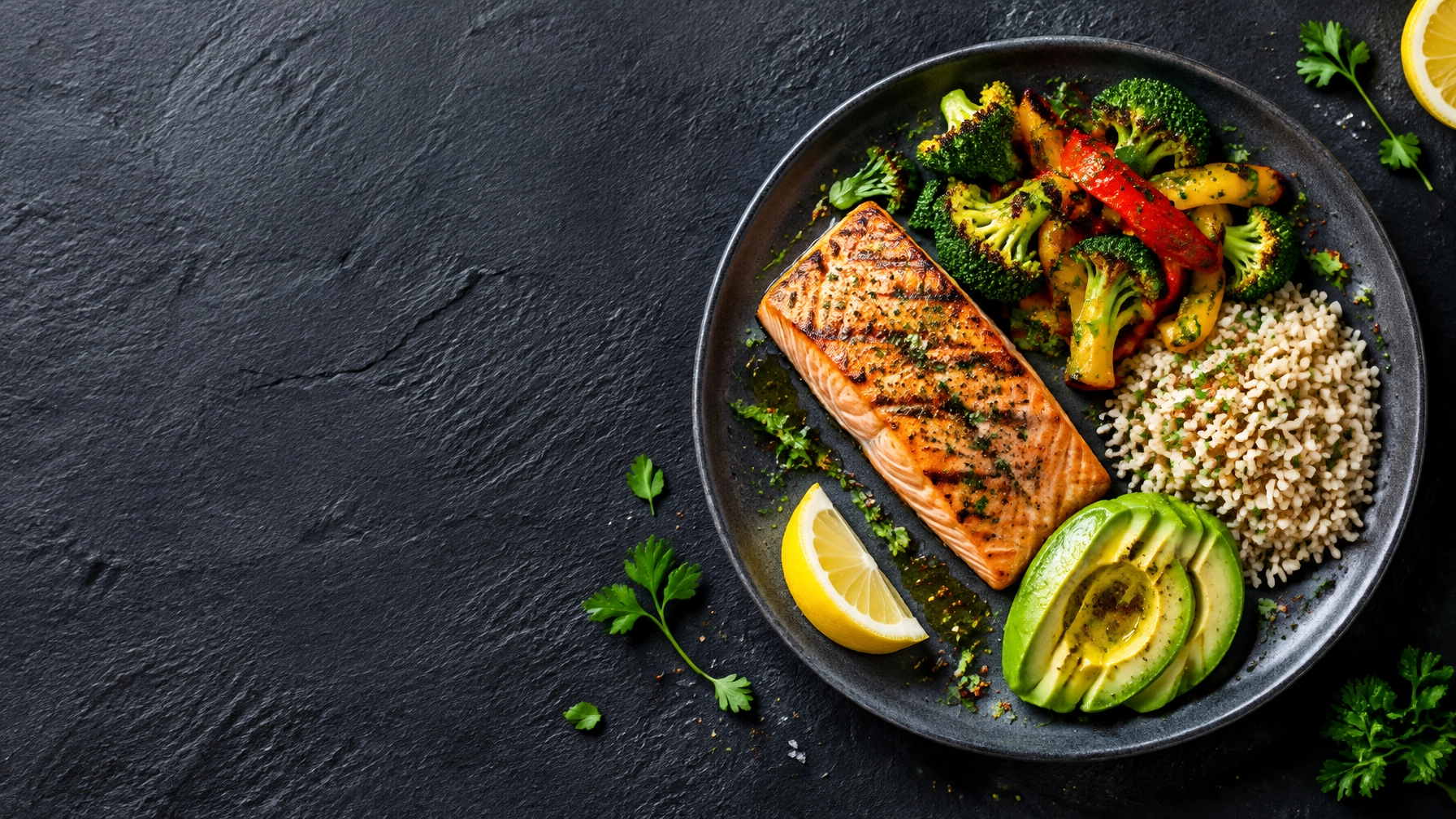
- About half for vegetables.
- About a quarter for protein.
- About a quarter for a carbohydrate.
Add a modest amount of fat for flavor and satisfaction. This simple layout can help you build a meal without counting calories or carefully measuring each ingredient. For mixed dishes, like a stew or pasta, just use the same idea as a rough guide. You don’t have to separate every food into its own section.

The Harvard Healthy Eating Plate offers another visual guide to building a balanced meal. Use it for inspiration, not as a set of rules. Your appetite and circumstances matter too.
Check in with your hunger and fullness
Portion guides can help you decide what to serve. Your hunger cues can help you decide how much to eat. There’s no perfect number to reach, but a quick check-in can help you notice what your body is telling you.
Try a simple 1-to-10 scale:
- 1: extremely hungry.
- 5: neutral, not very hungry or full.
- 10: uncomfortably full.
Before a meal, ask yourself where you are on the scale. Halfway through, pause and check again. You might notice that you’re still hungry, comfortably satisfied, or ready to save the rest for later.
The aim isn’t to stop at a certain number every time. It’s to give yourself a moment to notice the difference between satisfied and stuffed.
Slow down and pause mid-meal
Eating quickly can make it harder to notice when you’ve had enough. Try putting your fork down for a moment between bites, or pause halfway through your meal to check your fullness. A glass of water or a short conversation can make the pause feel natural.
If you’re still hungry after the pause, it’s okay to have more. If you’re satisfied, you can stop and keep the rest for later. Either way, you’re practicing a skill, not following a rigid rule.
Ask: Is this hunger, or something else?
Sometimes you reach for food because you’re bored, stressed, tired, or following a familiar routine. That doesn’t mean you’ve done anything wrong. It simply gives you a chance to check what would help you right now.
Ask yourself: “Would I be ready for a meal or snack, or am I looking for a break from how I feel?”
If you feel physically hungry, eat. If you’re not sure, take a short pause and try another supportive step, like getting a glass of water, stretching, or stepping outside for a few minutes. If you’re still hungry afterward, choose something satisfying. You don’t need to ignore hunger to make progress.

Water can support your everyday hydration, and choosing it instead of a sugary drink may be a helpful change. But don’t use water to push away genuine hunger or replace a meal. The CDC’s guide to water and healthier drinks explains more about making hydration part of a healthy routine.
Keep favorite foods in the picture
You don’t have to ban a favorite food to practice portion control. In fact, strict rules can make eating feel more stressful than it needs to be. You can enjoy foods you love and still pay attention to your portions.
Try serving a comfortable amount on a plate instead of eating straight from a large package. Enjoy it, check in with your fullness, and decide whether you want more. This approach leaves room for flexibility, satisfaction, and real life.
Portion awareness is not about shrinking every meal. It’s about finding an amount that supports your goals and leaves you feeling good.
Make the approach work for you
Your appetite won’t be identical every day. You may feel hungrier after a more active day, or need a different amount at different meals. That’s normal. Use the hand guide, plate method, and fullness check-ins as tools you can adapt.
A few practical reminders:
- Start with a portion that seems reasonable, then check how you feel.
- Serve food onto a plate so you can see the amount you’re choosing.
- Pause during a meal instead of deciding in advance that you must finish everything.
- If you’re genuinely hungry, give yourself permission to eat more.
- If you’re comfortably satisfied, save what’s left for another time.
If you have a health condition, take medication that affects appetite, or find portion decisions stressful, consider asking a qualified health professional for guidance. The NIDDK portion guide also shares practical ideas for choosing portions that feel right for you.
Small portion habits can support sustainable weight loss
You don’t need perfect portions at every meal. You need a practical approach you can return to: use your hand as a guide, build a simple plate, pause to check your fullness, and make room for foods you enjoy.
These habits can be part of sustainable weight loss tips that fit your life, and support total body wellness, too. If you’d like help making them work with your goals, Absofitly offers personalized guidance through our weight loss programs and individual fitness coaching. Our holistic fitness coaching is designed to support your nutritional, physical, and mental wellness as you build lasting habits.
Ready for a helpful next step?
You don’t have to figure it all out alone. Get your free consultation to talk through your goals and explore a weight loss program that fits your needs. Learn more and request a free consultation today.

0 Comments